

Water Heater Basics for Back to School
August means the end of summer and the start of a new school year. It’s a busy time for students of all ages as they work to make sure they’re ready for a strong start to the year.
Whether or not you’re busy with back-to-school preparations this August, it’s always a good time of year to focus on learning something new.
With that back-to-school spirit in mind, today we’re going to talk about some water heater basics and give you a general water heater lesson.
Understanding How Water Heaters Work
 The basic function of your hot water depends on whether you have a tankless or a conventional water heater. If you have a tankless water heater, you have hot water on demand.
When a hot water faucet is turned on, cold water travels through your heating unit and is heated with either gas power or an electric element. In contrast, in a conventional unit, water is heated and stored in a tank until needed.
In these units, cold water comes into the tank through a dip tube and then is either heated through a gas burner or an electric heating element, depending on the type of unit you have. When a hot water faucet is open, cold water comes into the unit and pushes hot water out.
Staying on Top of Water Heater Maintenance
 Knowing some basics about taking care of your hot water heater can help to ensure that it works effectively and efficiently, doesn’t cause any plumbing emergencies and lasts as long as possible.
One easy thing you can do to help care for your unit is to set the temperature at 120 degrees. This will help your unit run efficiently, will save energy and will still give you water that is adequately hot.
Next, it’s important to flush sediment out of your tank every year, schedule water heater cleaning services. As we’ll discuss below, sediment is one of the biggest causes of problems with your heater, so consistently cleaning it out will help to keep your system working well.
Further, it’s important to check your anode rod and pressure release valve. Your anode rod rusts so the rest of your tank doesn’t. As a result, you’ll want to regularly check its condition and replace it if it’s rusted. Plus, consistently testing your pressure release valve can help avoid leaks and water damage.
Signs Your Need Water Heater Repair
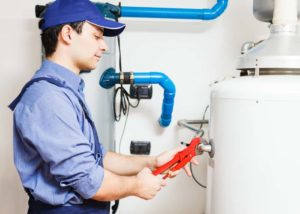 If you know what to look for, it can be easy to know if your hot water heater needs to be repaired. Identifying when there’s a problem can help to avoid both an outage and a plumbing emergency.
With that in mind, we’ll discuss some basic things you should be looking for. If your water is lukewarm, it probably means that there’s sediment buildup in your tank. If so, your water heater needs to be flushed out.
Similarly, if you hear popping sounds from your water heater it’s usually a sign that sediment or minerals are causing problems. This generally means they have formed a layer on the surface of your water heater.
Again, start with a flushing. If the sound continues after that it could mean you’re on the cusp of a crack or a leak. If your heater is leaking or if your water is coming out cloudy, it likely indicates that your water heater is failing.
If you see any of these signs, it’s a good idea to address them as soon as possible before your heater cracks, leaks or goes out. Call Water Heater Medic at (860) 896-3342 if you need your water heater upgraded or have any questions about your water heater.
 Hot water heaters enable you to have the warm or hot water that you need in the bathroom in your bathtub, shower or sink. If you have a standard water heater, its tank heats and then stores hot water so it’s ready and waiting for you.
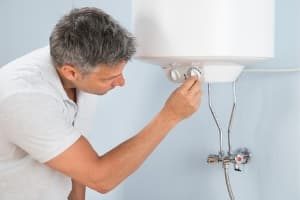 We all rely heavily on water heaters. Thankfully, you can have one in your home, no matter how big or small it is. Did you know that you can even install a hot water heater in your mobile home?
 Whether you need to install a water heater in your mobile home or traditional home, we highly recommend that you don’t just go to Home Depot and purchase a water heater for self-installation. To be clear, we don’t have anything against Home Depot (in fact, we shop there some ourselves).
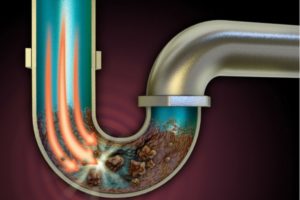 Imagine not having to unclog your sink every time you want to use it over the coming months.
 When contaminants settle in the drain, it can cause loud noises throughout the home.

 1 - Make sure you have a stockpile of de-icing salt on hand to make the clearing of your paths and driveway much easier.
 4 - Be sure to have extra batteries on hand for your smoke detector and carbon monoxide detector.
 7 - Make sure you have at least two space heaters on hand, in case the furnace breaks. Space heaters can help keep the heat in your home in the event of a complete breakdown of your heating system.